HOW MUCH
6 to 8 cups or glasses
The Eatwell Guide says the government recommends 6 to 8 cups or glasses of fluid a day.
Where it comes from doodledrinks
Start
WHAT THE GUIDANCE SAYS
6 to 8 cups or glasses a day, and it does not all have to be water.
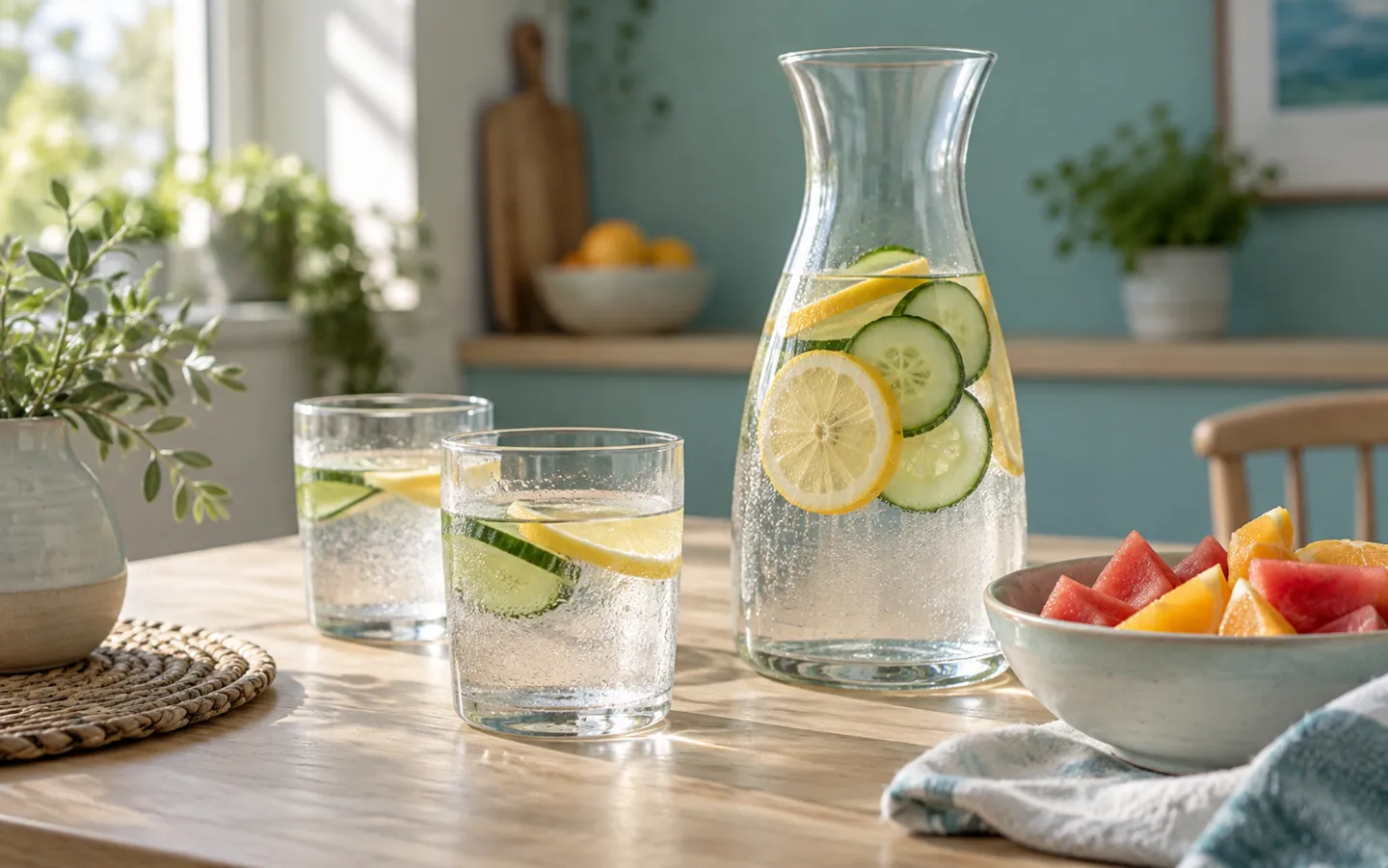
UK guidance gives a simple daily figure, and European scientists have set litre amounts that include water from food. Here is what the NHS, EFSA and other official sources actually say, in plain English.
Official figures, with the sources linked.
6 TO 8a day
Check what countsKeep in mind
THE SHORT ANSWER
The NHS calls 6 to 8 cups or glasses
“just a guide”. Here is what sits behind it.
HOW MUCH
The Eatwell Guide says the government recommends 6 to 8 cups or glasses of fluid a day.
Where it comes fromWHAT COUNTS
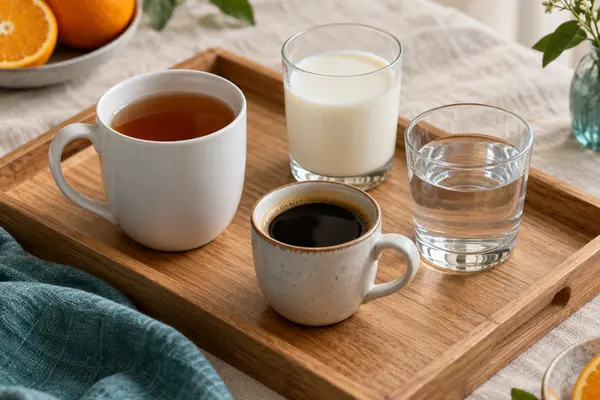
Water, lower-fat milk and lower-sugar drinks, including tea and coffee, all count, says the NHS.
Check a drinkWHEN IT CHANGES
The NHS says you may need more fluid in a hot environment, when active for long periods, or when unwell.
What the NHS suggestsGeneral information only, not medical advice. For advice about your own health, speak to a doctor, pharmacist or other qualified health professional.
A QUICK CHECK
Pick a drink to see what NHS guidance says about it. Every answer below paraphrases the NHS pages linked in the sources.
This is general information from official sources, not personal medical advice.
THE EUROPEAN FIGURES
European reference values count water
from food as well as from drinks.
2.0 L women 2.5 L men
Adequate daily intake of water
In March 2010 the European Food Safety Authority said a daily intake of 2.0 litres of water is considered adequate for women and 2.5 litres for men. These figures cover total water, from drinks and from the moisture in food.
EFSA · 2010
600–800 mL a day
Water from solid food, on average
The Nordic Nutrition Recommendations 2023, which base their adult figures on EFSA, estimate that solid foods provide on average 600 to 800 mL of water a day. The adequate intakes assume moderate temperatures and activity levels.
NORDIC RECOMMENDATIONS · 2023
That is why the UK figure is in cups and glasses and the European one is in litres: one counts drinks, the other counts all the water you take in.
WHAT THE NHS SUGGESTS
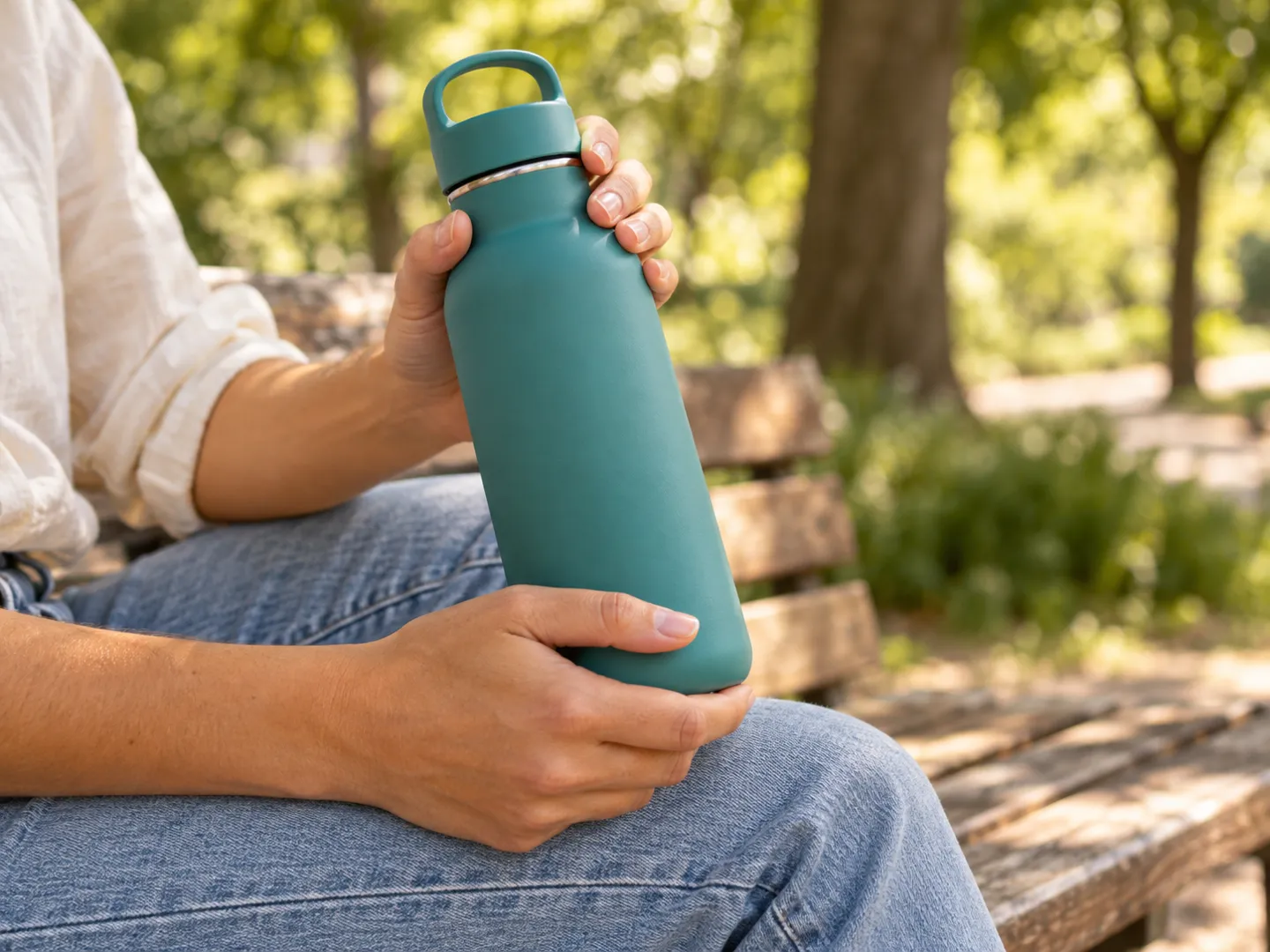
Step 1
The NHS says to drink enough during the day so that your pee is a pale colour.
Step 2
The NHS suggests swapping sugary drinks for diet, sugar-free or no added sugar drinks.
Step 3
The NHS says one small glass (150ml) of fruit juice or smoothie a day, drunk with a meal.
Step 4
The NHS says to drink extra fluids if you have been sweating from physical activity, or if you are unwell.
HYDRATION FACTS
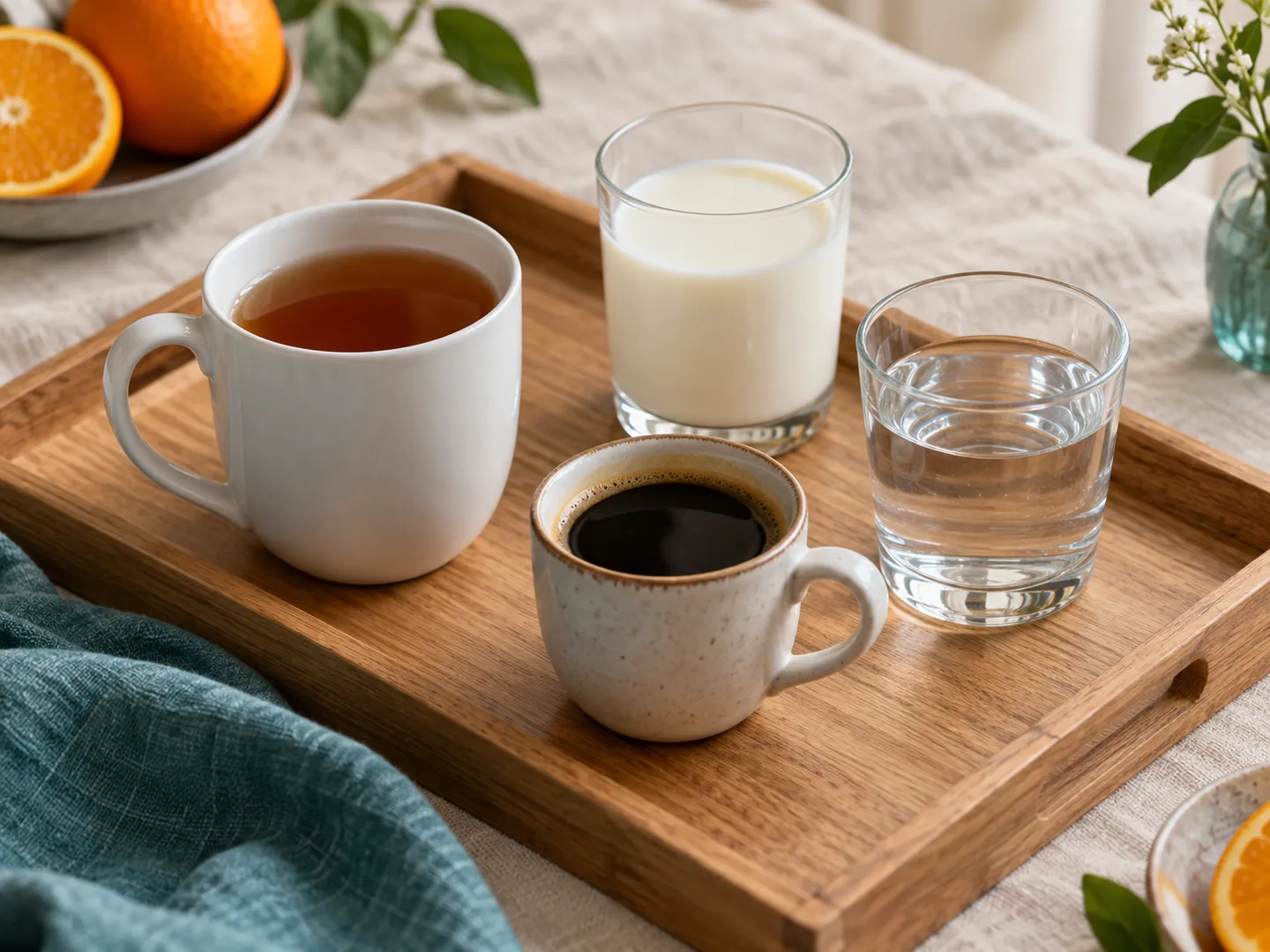
The NHS Eatwell Guide says the government recommends 6 to 8 cups or glasses of fluid a day, and the NHS calls this “just a guide”.
According to the NHS, water, lower-fat milk and lower-sugar drinks, including tea and coffee, all count towards your daily intake.
The NHS says fruit juice and smoothies should be limited to a combined total of 150ml a day, because they are high in sugar.
EFSA’s 2.0 and 2.5 litre figures are for total water. The Nordic Nutrition Recommendations estimate solid foods provide on average 600 to 800 mL a day.
The NHS says babies, children and older adults are more at risk of dehydration. The British Nutrition Foundation notes that in older adults the sense of thirst can be weaker.
QUICK QUESTIONS
Short answers drawn from the official sources below.
The NHS Eatwell Guide says the government recommends 6 to 8 cups or glasses of fluid a day. The NHS describes this as a guide: you may need more in a hot environment or if you are physically active for long periods.
Yes. The NHS says water, lower-fat milk and lower-sugar drinks, including tea and coffee, all count as part of your daily intake. It also says to drink caffeine in moderation.
The NHS says to limit fruit juice and smoothies to a combined total of 150ml a day, drunk with a meal, because they are high in sugar.
The European figures do. EFSA’s adequate intakes of 2.0 litres a day for women and 2.5 litres for men are for total water, from drinks and food. The Nordic Nutrition Recommendations estimate that solid foods provide on average 600 to 800 mL a day.
The NHS lists signs including feeling thirsty, dark yellow and strong-smelling pee, peeing less often than usual, feeling dizzy or lightheaded, feeling tired, and a dry mouth, lips and tongue. If you are worried, the NHS page explains when to get help.
Destination
Updated
A NAME WORTH A SIP
doodledrinks.com is part of the DoodleSale portfolio. It isn't in an auction right now, but you can ask about leasing it.